When fleet vehicles are involved in accidents, selecting a reliable auto collision repair shop becomes a critical business decision for fleet managers and operations supervisors in Tucson, Arizona. Fleet operations need repair partners who understand commercial vehicle requirements, minimize operational downtime, and restore vehicles to safe working condition efficiently. The complexity of managing multiple vehicles, insurance claims, and operational schedules makes choosing the right repair shop essential for maintaining fleet productivity.
Finding a trustworthy collision repair facility requires evaluating multiple factors beyond just price. The right shop will have the expertise, equipment, and processes to handle commercial vehicles while keeping your fleet operational. This guide outlines the key considerations for selecting a collision repair partner that meets your fleet’s specific needs and operational requirements.
Assessing Fleet Vehicle Damage
Before contacting repair shops, conduct a thorough assessment of your vehicle’s damage. This preliminary evaluation forms the foundation for obtaining accurate estimates and ensures clear communication with repair professionals about your fleet’s specific needs.
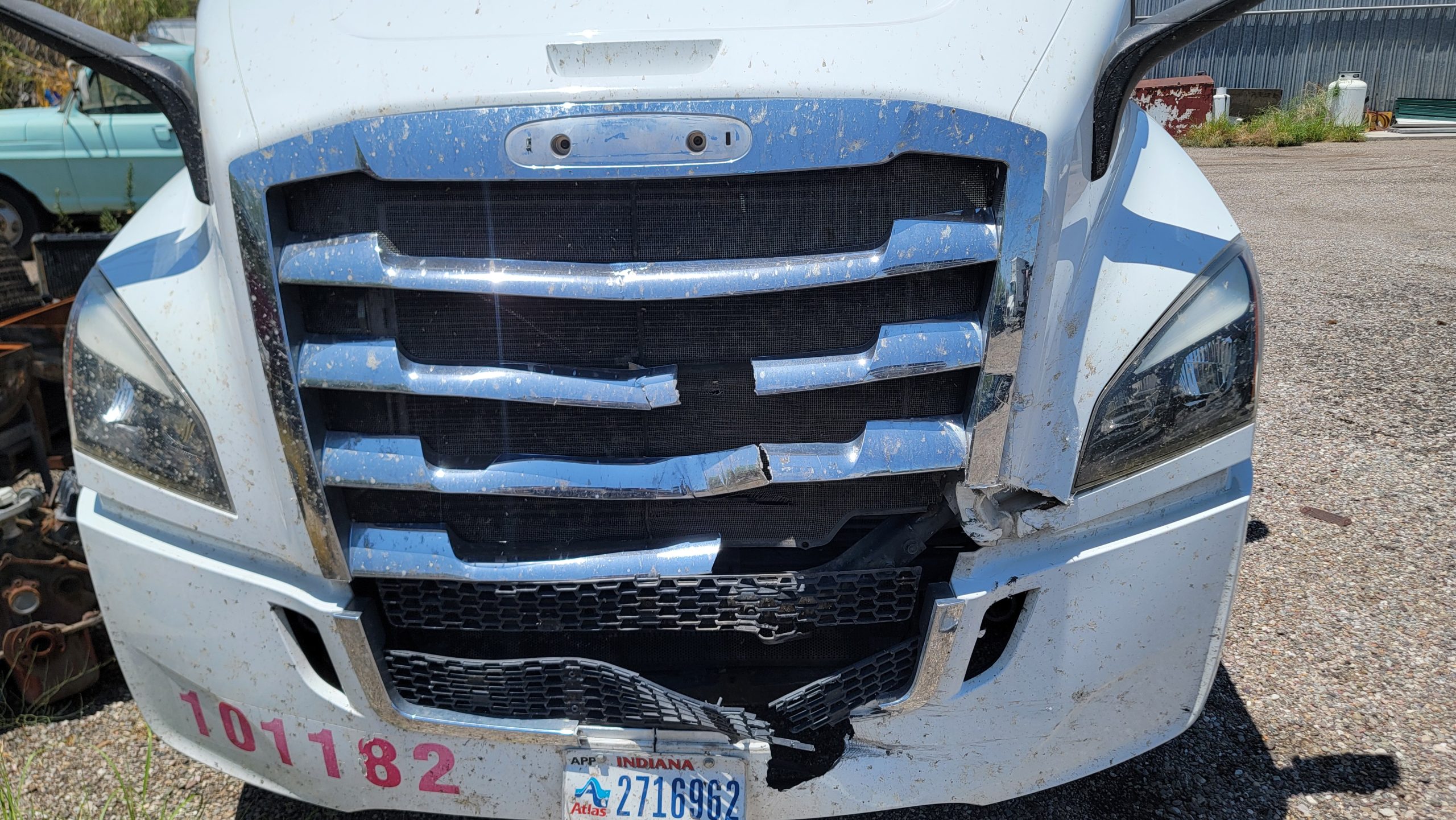
Comprehensive Vehicle Inspection. Start with a thorough external inspection of the damaged vehicle. Document all visible damage, including dents, scratches, broken components, and displaced parts. Pay particular attention to areas surrounding the primary impact zone, as secondary damage often occurs that may not be immediately apparent. Check for paint damage, panel misalignment, and any components that may require replacement rather than repair.
Document Everything. Create detailed photographic records of all damage from multiple angles. This documentation serves several purposes: it provides reference material for repair discussions, supports insurance claims, and establishes baseline conditions for quality control during repairs. Include both close-up shots of specific damage and wider views showing the vehicle’s overall condition and damage extent.
Test Vehicle Systems. Beyond visual inspection, test all vehicle systems and components. Check lights, mirrors, locks, windows, and any electronic systems that may have been affected. Hidden damage to electrical systems, sensors, or mechanical components can create safety hazards and operational problems if not identified early. Document any functional issues alongside visible damage for comprehensive repair planning.
Insurance Coordination. Contact your fleet insurance provider immediately to report the damage and understand your coverage requirements. Many commercial policies have specific procedures for damage documentation and approved repair facilities. Understanding these requirements upfront prevents delays and ensures smooth claims processing while maintaining compliance with your insurance terms.
Finding Qualified Collision Repair Shops
Selecting the right collision repair facility requires research beyond basic online searches. The best approach combines professional referrals, industry certifications, and direct evaluation of potential repair partners.
Professional Network Referrals. Leverage your professional network for repair shop recommendations. Contact other fleet managers, logistics coordinators, and industry colleagues who have experience with collision repairs. Professional referrals often provide insights into repair quality, turnaround times, and customer service that aren’t available through general reviews. Industry associations and local business networks can also provide valuable recommendations for fleet-focused repair facilities.
Industry Certifications and Training. Look for repair shops with recognized industry certifications that demonstrate a commitment to professional standards. Key certifications include:
- Automotive Service Excellence (ASE) credentials for technicians
- Inter-Industry Conference on Auto Collision Repair (I-CAR) training
- Current manufacturer-specific training programs
These certifications indicate ongoing professional development and adherence to current repair standards and techniques, particularly important when working with modern commercial vehicles.
Professional Association Membership. Consider shops that maintain membership in professional organizations such as the Automotive Service Association (ASA). Association membership typically requires adherence to ethical business practices and quality standards while providing ongoing education and industry updates. These affiliations suggest a commitment to professional excellence and customer satisfaction.
Facility Assessment. Visit potential repair facilities to evaluate their operations firsthand. Assess the cleanliness, organization, and professionalism of the workspace. Well-maintained facilities with modern equipment and organized work areas typically indicate attention to detail and quality workmanship. Observe how staff interact with customers and handle inquiries, as this reflects the shop’s overall service approach.
Evaluating Online Reviews and Reputation
Online reviews provide valuable insights into repair shop performance, particularly when managing fleet repairs in Tucson’s competitive market. Effective evaluation requires looking beyond simple ratings to understand the complete customer experience.
Review Platform Analysis. Examine reviews across multiple platforms:
- Google Reviews for general customer feedback
- Better Business Bureau (BBB) for complaint resolution
- Industry-specific sites for commercial vehicle experience
Focus on reviews from commercial customers or fleet managers when possible, as their experiences are most relevant to your operational needs.
Detailed Feedback Assessment. Pay attention to specific comments about:
- Repair quality and attention to detail
- Project management and communication effectiveness
- Adherence to schedules and promised timelines
- Professional handling of commercial accounts
Reviews mentioning detailed communication, transparent pricing, and professional project handling indicate shops that understand commercial customer requirements.
Management Response Evaluation. Assess how shop management responds to both positive and negative feedback. Professional responses to criticism demonstrate accountability and commitment to improvement. Shops that address concerns publicly and work to resolve issues show dedication to customer satisfaction and continuous improvement.
Assessing Service Quality and Capabilities
Service quality evaluation goes beyond basic repair capabilities to include project management, communication, and understanding of fleet operational requirements. This is particularly crucial for Tucson fleet operations, where extreme heat and dust can affect both vehicle performance and repair timelines.
Technical Capabilities
Evaluate the shop’s experience with commercial vehicles:
- Fleet repair experience and commercial vehicle expertise
- Technician training and certifications
- Equipment capabilities for larger commercial vehicles
- Experience with your specific vehicle types and models
Shops with fleet experience understand the unique requirements of commercial vehicles and the importance of maintaining safety standards for business operations.
Project Management and Communication
Professional fleet repair services provide:
- Regular progress updates and detailed reporting
- Clear timelines with realistic completion dates
- Transparent estimates with detailed cost breakdowns
- Systematic approach to handling unexpected issues
They understand that fleet managers need accurate information for operational planning and vehicle scheduling.
Need expert fleet vehicle collision repair for your commercial vehicles? Contact Arizona Byways Incorporated now for a consultation and keep your fleet operating efficiently.
Comparing Estimates and Costs
Cost comparison requires evaluating more than just bottom-line pricing to understand total value and project scope.
Comprehensive Estimate Analysis. Request detailed estimates from multiple shops that include labor costs, parts pricing, and any additional services or fees. Ensure estimates cover the same scope of work and clearly identify what services are included versus additional charges. Compare not just pricing but also project timelines and completion guarantees.
Value Assessment. Consider the total value proposition rather than focusing solely on the lowest cost. Factors such as warranty coverage, project timeline, quality guarantees, and communication processes contribute to overall value. A slightly higher-priced option may provide better value through faster completion, superior quality, or more comprehensive warranty coverage.
Budget and Timeline Alignment. Evaluate how each option aligns with your operational budget and timeline requirements. Consider the impact of longer repair times on fleet availability and operational costs. Sometimes paying more for faster service provides better overall value by reducing downtime costs and maintaining operational efficiency.
Understanding Warranties and Safety Standards
Warranty coverage and safety compliance are crucial considerations for fleet vehicle repairs that impact long-term costs and operational safety.
Warranty Coverage. Inquire about warranty terms for both parts and labor, with particular attention to coverage duration and what situations are included. Professional shops typically offer comprehensive warranties that cover workmanship and provide protection against premature failures. Understand warranty claim processes and how the shop handles warranty work.
Safety Compliance. Verify that the repair shop follows industry safety standards and maintains current certifications for safety procedures. This includes proper handling of hazardous materials, compliance with OSHA requirements, and adherence to vehicle safety standards. Shops that prioritize safety demonstrate professionalism and reduce liability risks for fleet operations.
Quality Assurance. Ask about quality control processes and final inspection procedures. Professional shops should have systematic approaches to ensuring repairs meet manufacturer specifications and safety requirements. This is particularly important for commercial vehicles that must maintain operational safety standards.
Location and Operational Convenience
Location and service convenience significantly impact the practical aspects of managing fleet repairs and minimizing operational disruption.
Strategic Location Benefits. Choose repair shops located conveniently to your operational areas or fleet parking facilities. Proximity reduces vehicle transportation time and costs while making it easier to coordinate drop-off and pickup schedules. Consider shops that are accessible to your regular routes or operational areas.
Additional Services. Evaluate additional services that can streamline the repair process and reduce operational impact. Some shops offer pickup and delivery services, loaner vehicles, or shuttle services that help maintain operational continuity during repairs. These services can provide significant value by reducing the administrative burden and operational disruption of fleet repairs.
Scheduling Flexibility. Assess the shop’s ability to accommodate your operational schedule requirements. Fleet repairs often need to work around operational demands, delivery schedules, and driver availability. Shops that understand commercial operations and offer flexible scheduling demonstrate their commitment to minimizing business disruption.
Making the Final Decision
Selecting the right collision repair shop requires balancing multiple factors to find the best fit for your fleet’s operational needs and budget requirements.
Comprehensive Evaluation Process. Consider all factors together rather than focusing on any single aspect:
- Technical capabilities and fleet experience
- Service quality and communication effectiveness
- Location convenience and scheduling flexibility
- Warranty coverage and safety compliance
- Overall value proposition and cost alignment
Create a scoring system that weights factors according to your operational priorities to make an objective comparison.
Partnership Potential. Think beyond the immediate repair need to consider long-term partnership opportunities. Shops that demonstrate reliability, quality workmanship, and understanding of your operational requirements can become valuable partners for ongoing fleet maintenance and collision repair needs. This approach helps build relationships that benefit your fleet operations over time.
Get Your Fleet Back on the Road with Professional Collision Repair
Selecting the right collision repair partner requires evaluating technical capabilities, service quality, and operational compatibility. The best shops understand fleet requirements, communicate effectively, and deliver quality repairs that keep your vehicles road-ready.
Arizona Byways Incorporated provides professional collision repair services designed for commercial vehicle needs in Tucson , Arizona. Our experienced technicians minimize downtime while meeting the highest safety and quality standards. Contact us today or call at 520.663.0061 to discuss your fleet collision repair requirements.