
When your fleet vehicle has been in an accident, even minor damage can hide serious problems that cause unexpected breakdowns and costly operational delays. What looks like superficial damage on the surface may actually indicate critical issues requiring immediate attention.
Fleet managers operating in Tucson’s challenging desert climate know that extreme heat and dust can worsen collision damage over time, making prompt repairs essential. Let’s examine seven key warning signs that indicate your fleet vehicle may need collision repair services to ensure continued safe and reliable operation.
1. How Visible External Damage Can Indicate Serious Issues
After any collision, your vehicle may display obvious signs of impact damage. While these might appear minor initially, they often indicate more serious underlying problems that can compromise vehicle safety and operational reliability.
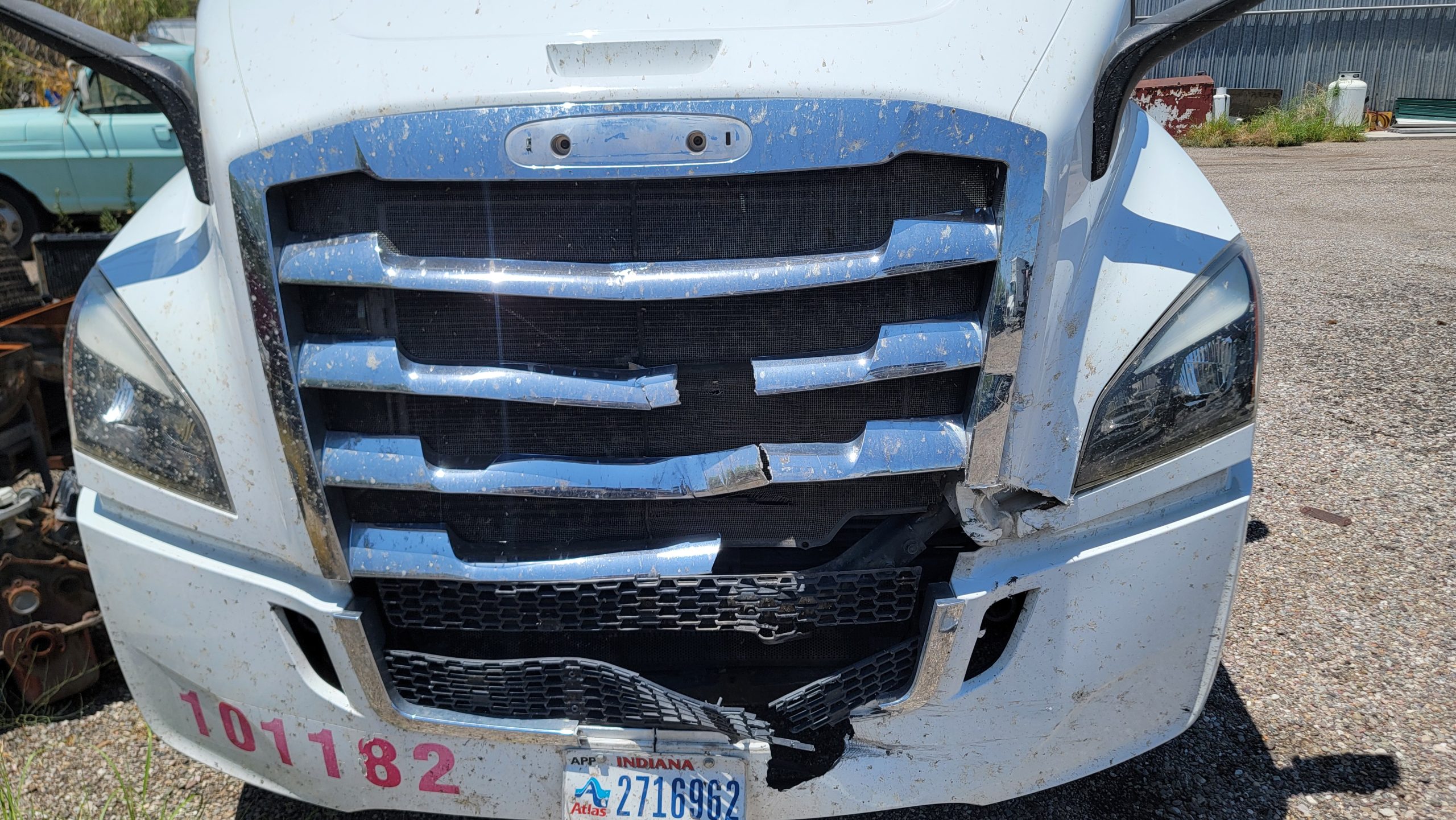
Bumper Damage. Bumper damage often appears as dents, scratches, or displaced mounting points. Beyond aesthetic concerns, bumper damage can signal structural problems, particularly after moderate to severe impacts. Damaged bumpers may compromise the vehicle’s crash protection systems and can hide damage to mounting brackets or frame components that support critical safety systems.
Lighting System Damage. Broken or damaged lights represent both immediate safety hazards and potential electrical system problems. Damaged headlights reduce visibility and can lead to moisture infiltration, causing electrical malfunctions. Similarly, compromised taillights or turn signals make your vehicle less visible to other drivers, increasing accident risk. Even slightly misaligned lights can indicate broader electrical system damage requiring professional diagnosis.
Paint and Surface Damage. Scratched or scraped paint compromises your vehicle’s protective coating system. While seemingly cosmetic, these damages expose underlying metal to moisture and road chemicals, leading to corrosion that can spread to structural components. Promptly addressing paint damage prevents rust formation and helps maintain your fleet’s professional appearance and resale value.
Key Takeaway: Even minor external damage can indicate serious underlying problems. Early professional assessment prevents costly repairs and protects your vehicle’s safety systems and structural integrity.
2. Understanding Dent Severity and Component Damage
Understanding the difference between surface-level and deep structural damage is crucial for making informed repair decisions that protect your fleet’s operational capacity.
Surface Dents vs. Deep Impact Damage. Minor surface dents might appear insignificant but can lead to paint failure and subsequent corrosion. Deep dents, however, often indicate more serious structural damage that can affect vehicle safety systems, door mechanisms, or body panel alignment. These impacts can compromise the structural integrity essential for protecting occupants during future accidents.
Critical Inspection Areas. Focus particular attention on damage around wheels, doors, and safety-critical components. Wheel well damage can affect suspension alignment, while door damage may compromise locking mechanisms or window operation. Frame-adjacent dents can indicate structural damage that requires specialized repair equipment and expertise.
Repair Considerations. Minor dent repairs typically cost between $50 and $150, while larger or complex damage can range from $150 to $500 per repair. Component cracks, particularly in bumpers or body panels, may require replacement rather than repair, with costs varying based on vehicle type and part availability. Addressing these issues promptly prevents minor problems from developing into major repairs that could remove vehicles from service for extended periods.
Key Takeaway: Don’t let minor dents fool you—they can hide major problems. Quick intervention saves money and prevents small issues from becoming fleet-stopping repairs.
3. Why Structural Frame Damage Requires Immediate Attention
Frame damage represents the most serious concern following any collision, as it affects fundamental vehicle safety and operational reliability. Even minor accidents can cause hidden structural problems that compromise vehicle performance and safety systems.
Identifying Frame Issues. Frame damage often manifests through seemingly unrelated symptoms. Misaligned body panels, particularly around doors or trunk areas, frequently indicate underlying structural problems. Doors that don’t close properly, uneven panel gaps, or difficulty opening compartments all suggest potential frame damage requiring professional evaluation.
Performance Indicators. Listen for unusual sounds during operation, particularly squeaking or groaning noises when traversing uneven surfaces. These sounds often indicate components struggling against misaligned mounting points caused by frame damage. Such misalignment can accelerate wear on suspension components, steering systems, and tires.
Professional Assessment Requirements. Qualified collision repair technicians use precision laser measurement systems to detect frame damage invisible to visual inspection. These diagnostic tools can identify alignment issues measured in millimeters that significantly affect vehicle handling, tire wear, and safety system operation.
Key Takeaway: Frame damage is the most serious post-collision concern. Professional laser measurement and repair prevent progressive damage that could eventually require complete vehicle replacement.
4. Recognizing Post-Collision Vehicle Noises
Post-accident noises often indicate damage to critical vehicle systems that require immediate attention to prevent operational failures and ensure driver safety.
Suspension System Sounds. Clunking noises, particularly when driving over bumps or during turning maneuvers, typically indicate suspension component damage. This might involve damaged control arms, worn bushings, or displaced mounting points that can affect vehicle handling and stability. Suspension problems compromise both safety and ride quality while accelerating tire wear.
Brake and Wheel Bearing Issues. Grinding noises during braking or turning often suggest damage to wheel bearings or brake system components. These sounds indicate potential safety-critical failures that could result in loss of braking effectiveness or wheel separation. Such problems require immediate professional attention to prevent dangerous operational failures.
Additional Warning Sounds. Hissing or whistling noises may indicate fluid leaks in hydraulic systems or damaged air intake components. Rattling sounds often suggest loose or displaced parts that could fail during operation. Popping sounds from the engine compartment may indicate damage to motor mounts or transmission components.
Key Takeaway: Strange noises after an accident are warning signs, not minor annoyances. Professional diagnosis prevents dangerous system failures and costly emergency repairs.
5. How Steering Problems Affect Fleet Safety
Steering problems following an accident can significantly compromise vehicle control and create serious safety hazards for drivers and other road users.
Common Steering Problems. If your vehicle consistently pulls to one side while driving, this typically indicates suspension damage or wheel misalignment resulting from collision forces. Drivers should not have to constantly correct steering input to maintain straight-line travel on level roadways.
A steering wheel that feels unusually stiff or unresponsive may indicate power steering system damage, including hydraulic leaks or damaged steering components. Conversely, steering that feels loose or overly sensitive can suggest damaged steering linkages or suspension mounting points.
Tire Wear Patterns. Uneven tire wear following an accident often indicates alignment problems that will progressively worsen if not addressed. This damage can significantly reduce tire life while compromising fuel efficiency and vehicle handling. Proper alignment ensures even tire wear and optimal vehicle control.
Professional Correction. Experienced technicians use precision alignment equipment to diagnose and correct steering problems. Proper alignment adjustment requires specialized equipment and expertise to ensure all components meet manufacturer specifications for safe operation.
Key Takeaway: Steering problems compromise driver safety and accelerate tire wear. Proper alignment correction prevents progressive damage and ensures safe vehicle operation.
6. When Electrical Systems Need Professional Diagnosis
Modern fleet vehicles incorporate sophisticated electronic systems that can be disrupted by collision forces, even when external damage appears minimal.
Electrical System Problems. Flickering lights, erratic dashboard displays, or intermittent electrical component operation often indicate damaged wiring harnesses or loose connections resulting from collision impact. These problems can affect critical safety systems and should receive immediate professional attention.
Advanced Safety System Concerns. Contemporary vehicles rely on numerous sensors and electronic systems for proper operation of safety features like stability control, anti-lock braking, and collision avoidance systems. Collision damage can disrupt these systems, compromising their protective capabilities and potentially creating liability concerns for fleet operations.
Diagnostic Requirements. Professional diagnostic scanning equipment can identify electronic system problems that may not be immediately apparent. Qualified technicians can pinpoint electrical issues and ensure all safety systems function correctly before returning vehicles to service.
Key Takeaway: Modern vehicle electronics are sensitive to collision damage. Professional diagnostic scanning ensures all safety systems function properly before vehicles return to service.
7. Finding Reliable Collision Repair Services in Tucson
Selecting qualified Tucson collision repair services ensures your fleet vehicles receive proper restoration and return to reliable service quickly and safely. Arizona’s desert conditions make choosing the right repair partner even more important, as local expertise in handling heat-related wear and environmental factors can make a significant difference in repair quality.
Essential Qualifications
- Look for certified technicians with Automotive Service Excellence (ASE) credentials.
- Verify experience working with commercial fleet vehicles.
- Ensure the facility uses current diagnostic and repair equipment.
- Confirm they understand Tucson’s unique climate challenges.
Quality Assurance and Service. Reputable collision repair facilities provide warranties on their work and maintain clean, organized operations. They communicate clearly about repair timelines and costs while working efficiently to minimize your fleet downtime.
Don’t Wait: Address These Warning Signs Immediately
Recognizing these warning signs and seeking prompt professional evaluation prevents costly repairs and operational downtime. Early intervention keeps your vehicles safe, reliable, and road-ready.
For expert vehicle repair after accident services in Tucson, Arizona Byways Incorporated provides comprehensive collision repair with experienced technicians who understand local conditions and fleet operational needs. Our proven procedures restore your vehicles quickly and reliably. Contact us today or call at 520.663.0061 to schedule your assessment.