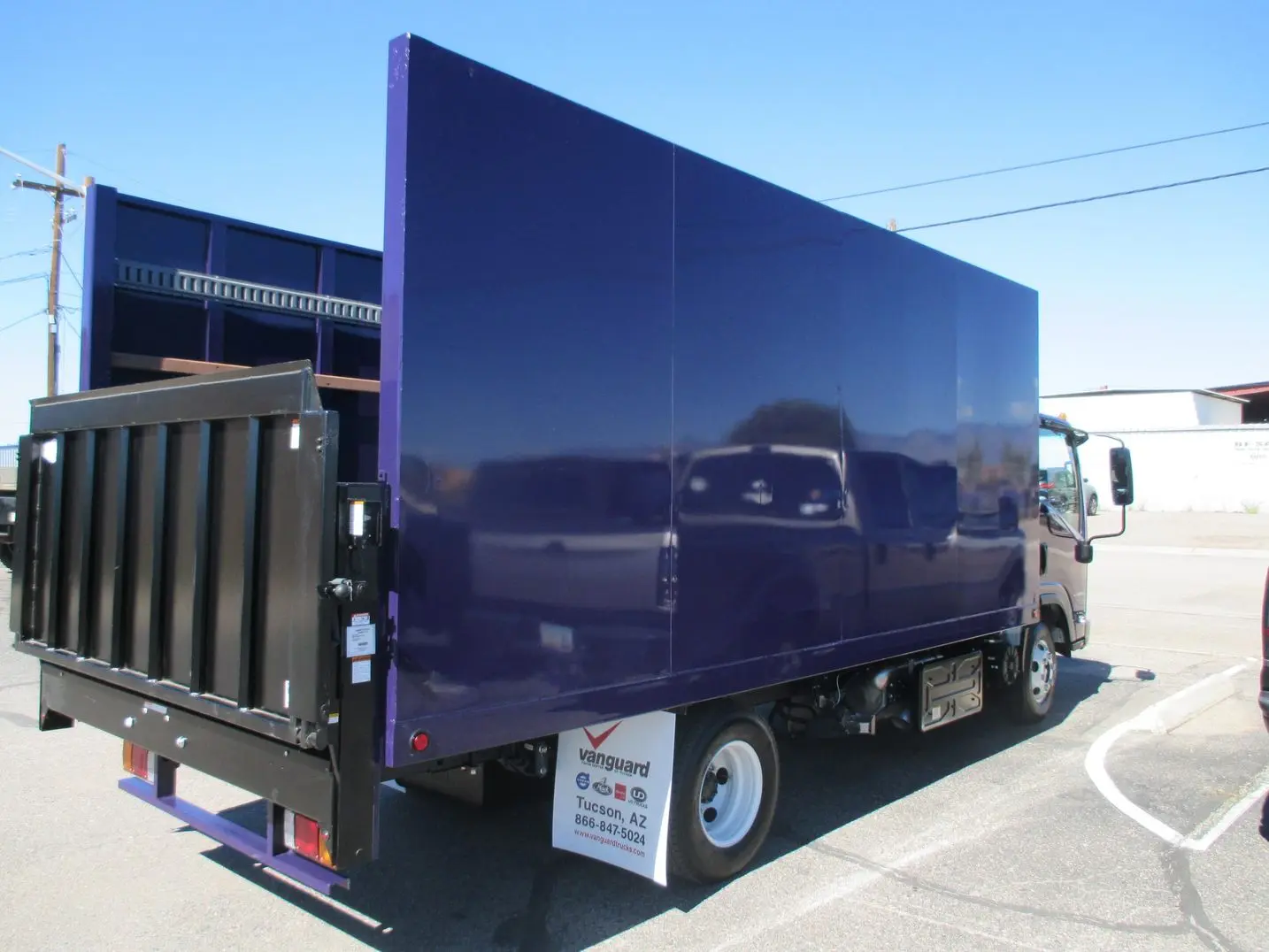
When a liftgate stops working in the middle of a delivery route, you’re not just dealing with a repair bill. You’re looking at missed deliveries, angry customers, and a truck sitting idle while you scramble for solutions. For fleet managers running box trucks or delivery vehicles, liftgate failures hit hard and fast.
The good news? Most liftgate breakdowns are preventable. Regular liftgate maintenance catches problems early, before they turn into expensive emergencies. Understanding what can go wrong and how to stay ahead of it is the difference between smooth operations and costly downtime.
Let’s talk about how proactive maintenance protects your bottom line and keeps your fleet moving.
The Real Cost of Liftgate Failures
Before we get into maintenance specifics, you need to understand what’s at stake when a liftgate fails. It’s not just about fixing the equipment.
Downtime Costs
A truck with a broken liftgate can’t deliver. That’s lost revenue for every hour it sits waiting for repair. If you’re running tight delivery schedules, one broken liftgate can throw off your entire operation.
Emergency Repair Premiums
When something breaks on the road, you pay more to fix it. Emergency service calls, rush parts orders, and unscheduled shop visits all cost extra compared to planned maintenance.
Customer Service Issues
Missed or delayed deliveries damage your reputation. Customers don’t care that your liftgate broke. They care that their shipment didn’t show up on time.
Driver Safety and Productivity
A failing liftgate that’s still technically working puts drivers at risk. Struggling with malfunctioning equipment slows them down and increases the chance of injury.
When you add it all up, the cost of not maintaining liftgates far exceeds the cost of routine checks and preventive care.
Common Liftgate Problems That Lead to Breakdowns
Understanding what typically goes wrong helps you know what to watch for. Here are the usual suspects:
- Hydraulic leaks and fluid loss
- Worn or damaged hoses and fittings
- Electrical connection failures
- Worn platform hinges and pins
- Damaged or bent platform decking
- Motor and pump failures from neglect
Most of these problems start small. A tiny hydraulic leak becomes a major failure. A loose electrical connection turns into a dead liftgate. The pattern is always the same: small issues are ignored until they become big problems.
Building a Liftgate Maintenance Routine
Proactive maintenance doesn’t mean overhauling every liftgate every week. It means having a system to catch problems early.
Daily Driver Checks
Your drivers are your first line of defense. They should be doing quick visual checks before every route:
- Look for fluid leaks under the truck
- Check that the platform operates smoothly up and down
- Listen for unusual noises during operation
- Test the controls and switches
- Verify the platform locks properly when raised
These checks take two minutes. If drivers spot something odd, they can address it before it becomes a breakdown.
Monthly Inspections
Once a month, someone should do a more thorough inspection. This goes beyond what drivers can see:
- Inspect hydraulic hoses for cracks, bulges, or leaks
- Check all mounting bolts and fasteners for tightness
- Test electrical connections and look for corrosion
- Examine the platform deck for damage or excessive wear
- Verify proper fluid levels in hydraulic systems
Document what you find. Keeping records helps you spot patterns and predict when components might need replacement.
Professional Service Intervals
Some maintenance tasks require professional attention. Shops that handle fleet upfitting and fabrication typically service liftgates as well.
Professional service should include:
- Complete hydraulic system inspection
- Electrical system testing and troubleshooting
- Lubrication of moving parts and pivot points
- Load testing to verify proper operation
- Replacement of worn components before they fail
The frequency depends on how hard you work your liftgates. High-use delivery trucks need more frequent attention than occasional-use vehicles.
Red Flags That Signal Trouble
Some warning signs mean you need to address a problem immediately, not wait for the next scheduled maintenance:
Slow or Jerky Operation
If the platform moves sluggishly or jerks during operation, something’s wrong. This often indicates hydraulic issues or failing motors.
Fluid Under the Truck
Hydraulic fluid on the ground is never normal. Even small leaks get worse fast and can leave you stranded with no hydraulic pressure.
Unusual Noises
Grinding, squealing, or clunking sounds mean something’s wearing out or coming loose. These noises don’t fix themselves.
Platform Won’t Lock
If the platform doesn’t lock securely in the raised position, that’s a safety issue. Don’t use the truck until it’s fixed.
Electrical Glitches
Intermittent power, unresponsive controls, or blown fuses point to electrical problems that can strand your truck.
When drivers report any of these issues, take them seriously. The cost of checking it out is nothing compared to the cost of a breakdown.
Preventing Hydraulic System Failures
Hydraulic liftgates depend on fluid pressure to work. When the hydraulic system fails, the liftgate becomes dead weight.
Fluid Quality Matters
Hydraulic fluid breaks down over time. Contaminated or degraded fluid damages pumps and cylinders. Regular fluid changes prevent this.
Hose Inspection
Hydraulic hoses take a beating from heat, vibration, and flexing. Inspect them regularly and replace them at the first sign of damage. A burst hose in the field means a truck that can’t deliver.
Keep Connections Tight
Loose fittings leak. Check all hydraulic connections during inspections and tighten anything that’s come loose.
Electrical System Maintenance
Many liftgate problems trace back to electrical issues. Corroded connections, damaged wiring, and worn switches all cause failures.
Protect Connections from Corrosion
Road salt, moisture, and dirt attack electrical connections. Clean them regularly and apply dielectric grease to protect against corrosion.
Check Wiring for Damage
Look for frayed, pinched, or chafed wires. Replace any damaged wiring before it fails completely.
Test the Battery and Charging System
Weak batteries cause all kinds of electrical problems. Make sure your charging system keeps batteries healthy.
Documentation and Record Keeping
Keep detailed maintenance records for every liftgate in your fleet. This helps you:
- Track maintenance history and costs
- Predict when components will need replacement
- Identify problem vehicles that need more attention
- Prove compliance if there’s ever an incident
Good records also help when you’re deciding whether to repair or replace a liftgate. If you’ve been pouring money into one unit, the data will show it.
Working with the Right Shop
Not every shop knows liftgates. When you need service or repairs, work with a facility that has experience with commercial vehicles and hydraulic systems.
For fleet managers in Southern Arizona, Arizona Byways Inc. handles liftgate installation and service as part of their fleet upfitting work. Whether you need routine maintenance, repairs, or help with mechanical services for your commercial trucks, contact us for a quote.
Frequently Asked Questions
What are the most common causes of liftgate breakdowns?
The most common causes include hydraulic fluid leaks, worn hoses and fittings, electrical connection failures, damaged platform components, and lack of routine maintenance. Most of these problems start small and gradually worsen until the liftgate fails completely. Regular inspections catch these issues early when they’re still easy and inexpensive to fix. Hydraulic leaks are particularly problematic because they can progress from a small drip to total system failure in a short time.
How often should liftgates be professionally serviced?
The service interval depends on how heavily you use the equipment. High-volume delivery trucks operating daily need more frequent professional attention than lightly used vehicles. Your maintenance records will help you determine the right interval for your specific fleet based on failure patterns and wear rates. Work with a shop experienced in commercial liftgates to establish a service schedule that matches your operational demands and prevents unexpected breakdowns.
Can drivers perform any liftgate maintenance themselves?
Drivers should handle basic daily checks like visual inspections for leaks, testing the operation before each route, and reporting any unusual sounds or performance issues. They can also keep the platform clean and clear of debris. However, drivers should not attempt repairs on hydraulic systems, electrical components, or structural parts. These tasks require specialized knowledge and tools. Complex repairs attempted by untrained personnel often make problems worse and can create safety hazards.