Ask a fleet manager where they take a damaged truck, and the answer used to be automatic: the dealership. It was the default, the safe choice nobody got second-guessed for picking. That is changing. More operators are taking their commercial vehicles to a specialized fleet collision repair shop instead, and the reasons have a lot to do with how these two kinds of businesses are built.
This is not about one being good and the other bad. Dealerships do real work and serve a real purpose. But a shop built around commercial fleet repair is organized differently, and for a business that runs trucks, those differences add up.
The Difference in Focus
The starting point is simple. A dealership service department handles a wide mix of work across the brands it carries. A specialized commercial collision shop concentrates on one thing: repairing the kinds of trucks that businesses depend on.
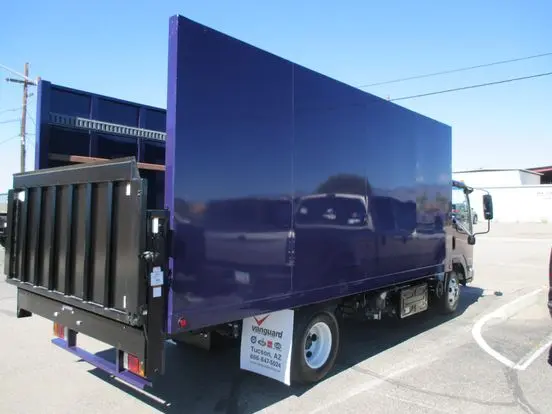
That focus shapes everything downstream. When a shop works on box trucks, service trucks, flatbeds, and utility vehicles day in and day out, the whole operation is set up around those vehicles. The equipment fits them. The workflow assumes them. The people have seen your kind of truck before.
Arizona Byways Inc built its business specifically around commercial vehicles in the Class 3-9 range. That is the core of what the shop does, not a sideline.
Understanding Commercial Vehicle Demands
Commercial trucks are not just larger versions of passenger vehicles. They carry heavier loads, work longer hours, and take abuse a personal car never sees. Repairing them well means understanding those demands.
A specialized shop deals with commercial-specific repairs constantly:
- Frame straightening and alignment on heavy chassis
- Cab and box repairs unique to work trucks
- Service body and box body restoration
- Fiberglass and aluminum body work on commercial panels
This differs from the repair mix a general service department handles. When a shop performs medium and heavy duty collision repair regularly, the knowledge builds up. That familiarity with commercial trucks is hard to match without doing the work over and over.
Why Fleet Urgency Gets Understood
Here is something a shop built for fleets grasps easily. When a fleet truck is down, the business loses more than the cost of the repair. It loses the work that truck was supposed to do.
A shop that serves fleet operators understands this pressure because it hears about it every day. Fleet customers do not bring in one car every few years. They run vehicles that need to stay productive, and they communicate that urgency plainly.
Arizona Byways Inc built fleet-priority service into how the shop operates, recognizing that vehicles a business depends on need attention reflecting their role.
The Parts and Fabrication Advantage
Body work on commercial trucks sometimes needs more than a replacement panel off a shelf. Older trucks, custom configurations, and specialized equipment can require parts that are not simply ordered and bolted on.
This is where in-house fabrication changes the picture. A shop with its own fabrication capability can build, modify, and repair components rather than waiting on outside sources. When a bracket, mount, or body section needs to be made, having that capability under one roof keeps the work moving.
Arizona Byways Inc operates in-house fabrication for service bodies and custom equipment. For collision repairs that touch custom parts of a truck, the same shop handling the body work can handle the fabrication side, rather than splitting the job across separate businesses.
Communication That Fits How Fleets Work
Fleet managers coordinate a lot of moving pieces. When a truck is in for repair, they need to know what is happening without chasing down answers.
A specialized shop that works with fleet operators regularly tends to communicate in a way that fits how these customers operate. The shop understands that a fleet manager is juggling routes, drivers, and schedules, and that clear updates help them manage the gap.
Insurance Coordination on Commercial Claims
Collision repairs usually involve insurance, and commercial claims have their own considerations. A shop experienced with fleet repairs handles this side regularly.
Arizona Byways Inc coordinates with most major insurance providers as part of the repair process. For a fleet manager, having the shop manage insurance coordination removes one more task from an already full plate. The shop knows how the process works because it does it routinely for commercial customers.
Specialization Without the Upsell Pressure
One thing fleet managers appreciate about specialized shops is the focus on the actual repair. A shop built around commercial collision work is oriented toward getting the truck fixed and back to work, not toward moving a customer through a menu of add-ons.
When collision repair is the core business rather than one department among many, the whole interaction centers on the repair at hand. That focus keeps things straightforward, which is what a busy fleet manager wants.
What Specialized Shops Handle
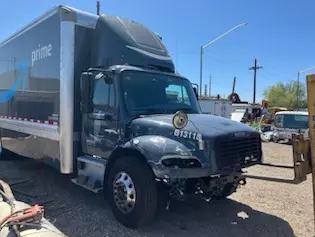
To be clear about scope, a commercial collision shop concentrates on body and structural repair rather than every possible service. Arizona Byways Inc handles a defined set of collision and body work:- Full collision restoration, from minor dents to major frame damage
- Body panel replacement
- Frame straightening and alignment
- Cab and box repairs
- Glass replacement
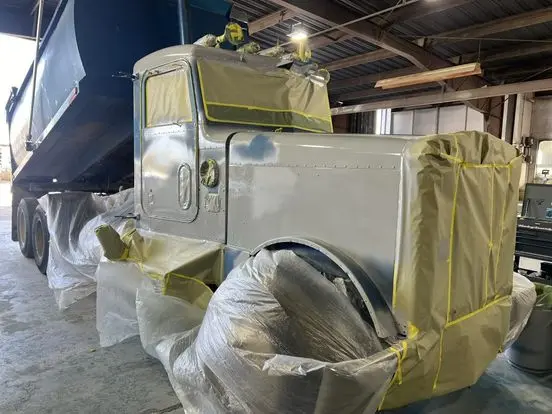
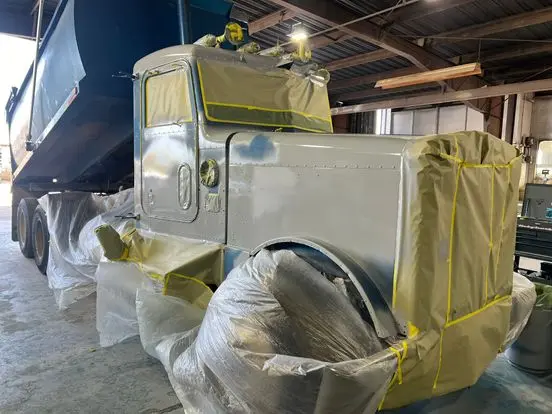
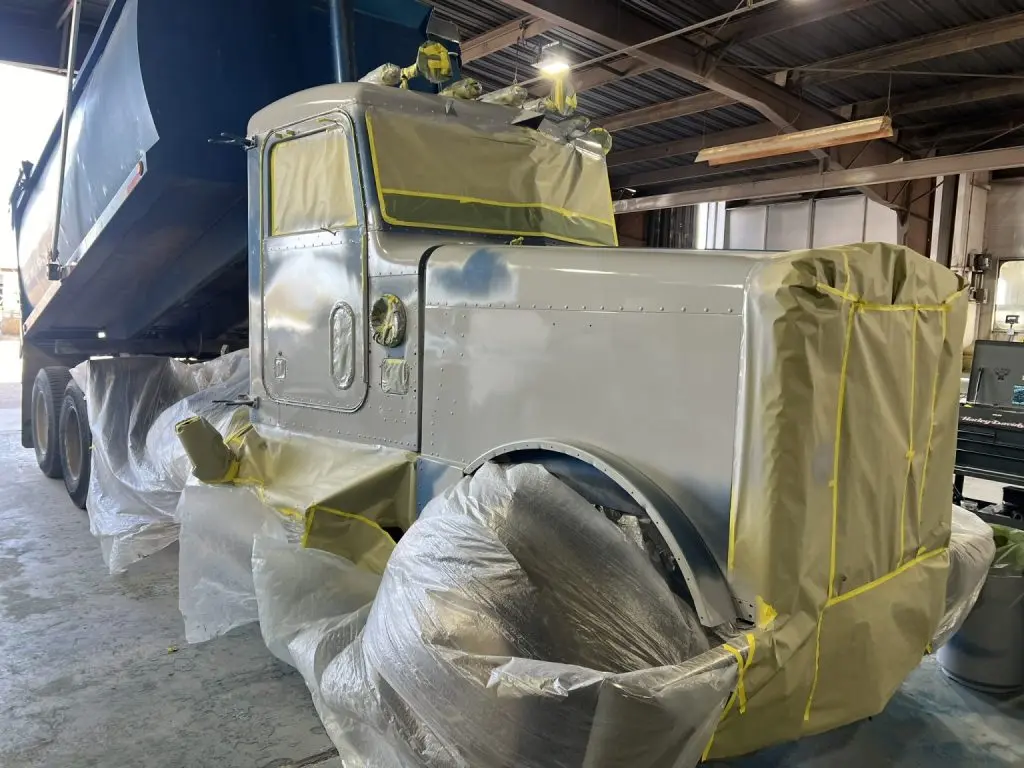
- Paint and refinishing, including color matching and commercial-grade finishes
- Rebranding, including decal removal and replacement
This concentration is the point. The shop does commercial collision and body work for the trucks businesses rely on.
Vehicles a Specialized Shop Is Built For
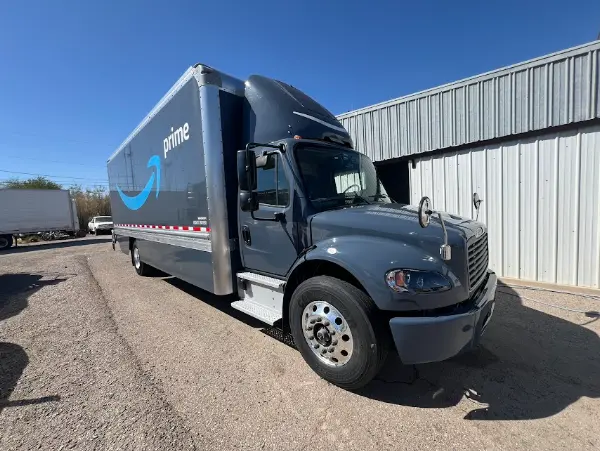
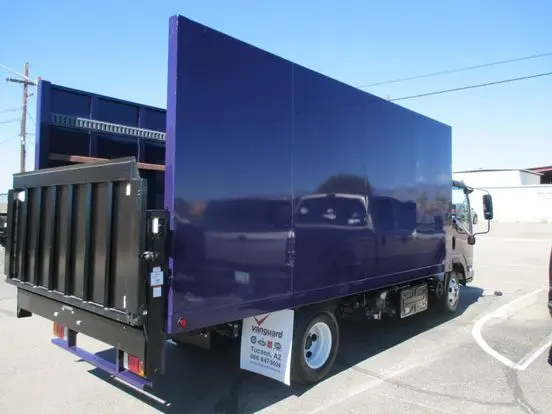
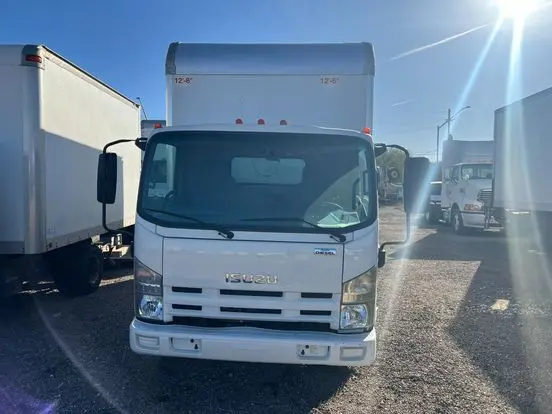
Part of what makes the specialized route work is that the shop is set up for the exact vehicles a fleet runs. Arizona Byways Inc handles box trucks, flatbeds, bucket trucks, service trucks, and utility vehicles, along with emergency vehicles and light military units.
For a fleet manager, that range matters. The shop is not adapting passenger-car processes to fit a truck. It works with commercial vehicles as its standard, which is a different starting point.
Making the Switch Thoughtfully
If you are currently using a dealership and weighing a specialized shop, the move deserves a real look rather than a snap decision.
Consider a few things about your situation:
- How much does truck downtime cost your operation?
- Do your trucks have custom configurations or specialized equipment?
- How important is direct communication during a repair?
- Does your fleet run the commercial vehicles a specialized shop focuses on?
If downtime hits hard, your trucks carry custom work, and you value a shop built for commercial vehicles, the specialized route tends to line up well with fleet needs. Talk to the shop before you need them, so you understand how it works when a truck actually goes down.
Ready to Rethink Where Your Fleet Gets Repaired?
Choosing where your commercial vehicles get repaired shapes how smoothly your operation runs when a collision happens. A shop built around fleet work brings focus, commercial vehicle knowledge, and in-house capability that fit how fleets operate.
Arizona Byways Inc has served fleet operators across the Tucson area since 1999, handling collision repair, refinishing, and fabrication for commercial trucks in the Class 3-9 range. To learn how the shop can support your fleet, get in touch with the team.
Frequently Asked Questions
What makes a collision shop “fleet-focused”?
A fleet-focused shop builds its business around commercial vehicles rather than treating them as occasional work. That shows up in the equipment, the workflow, and the experience of the technicians. Arizona Byways Inc specializes in Class 3-9 vehicles and works on box trucks, service trucks, and flatbeds regularly. The shop also offers fleet-priority service, recognizing that vehicles a business depends on carry different stakes than a personal car.
Can a specialized shop handle insurance claims like a dealership?
Yes. Arizona Byways Inc coordinates with most major insurance providers as part of the repair process. For fleet managers, having the shop handle insurance coordination removes a task from their workload. A shop experienced with commercial collision work deals with these claims routinely, so the process is familiar territory. This lets you focus on managing your fleet while the repair and claim move forward.
Does a local collision shop work on the same vehicles a dealership does?
A specialized commercial shop focuses on the trucks businesses depend on. Arizona Byways Inc handles box trucks, flatbeds, bucket trucks, service trucks, and utility vehicles, along with emergency vehicles and light military units. The shop concentrates on the Class 3-9 range, so it is set up for commercial trucks as its standard work rather than adapting passenger-vehicle processes to fit a larger truck.
What collision services does a specialized fleet shop provide?
A commercial collision shop concentrates on body and structural repair. Arizona Byways Inc provides full collision restoration, body panel replacement, frame straightening and alignment, cab and box repairs, and glass replacement. The shop also handles paint and refinishing with color matching and commercial-grade finishes, plus rebranding like decal removal and replacement. In-house fabrication supports repairs involving service bodies and custom equipment.