Picking your next commercial vehicle feels simple until you start looking at the options. The box truck vs cargo van question comes up constantly for business owners expanding a fleet or replacing an aging vehicle, and the answer is rarely as obvious as it seems on paper.
Here is the thing most buyers miss. They shop for what they need right now. Then two years in, the business has grown, the jobs got bigger, and the vehicle that made sense at signing has become the thing slowing them down. Choosing well means thinking about where your operation is headed, not just where it sits today.
The Basic Difference in Vehicle Class
These two options sit in different vehicle classes, and that distinction drives almost everything else.
Cargo Vans: Cargo vans are light-duty vehicles built on a unified body. The cargo area connects directly to the cab, so drivers move between the two without stepping outside. They handle like a large passenger vehicle and fit standard parking spots.
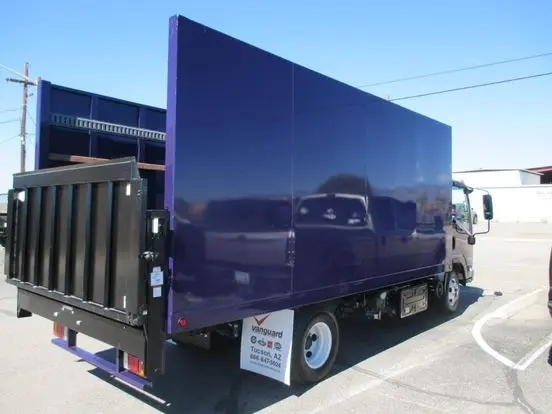
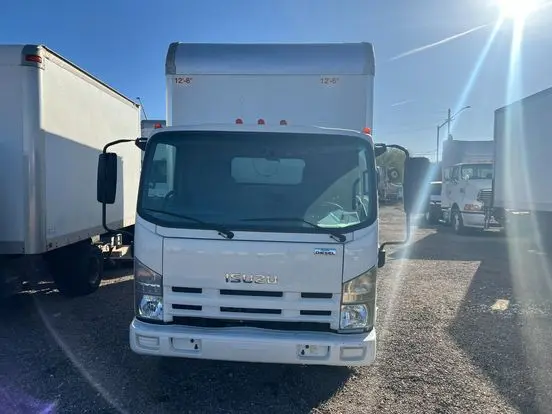
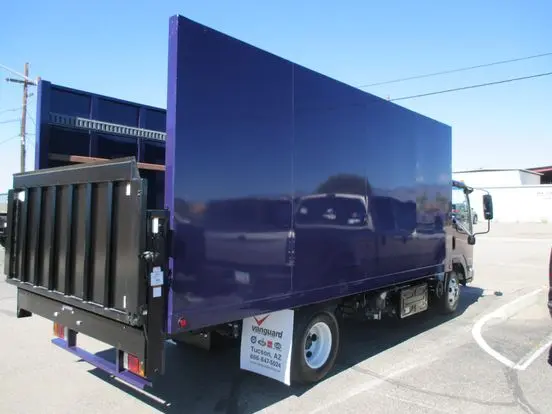
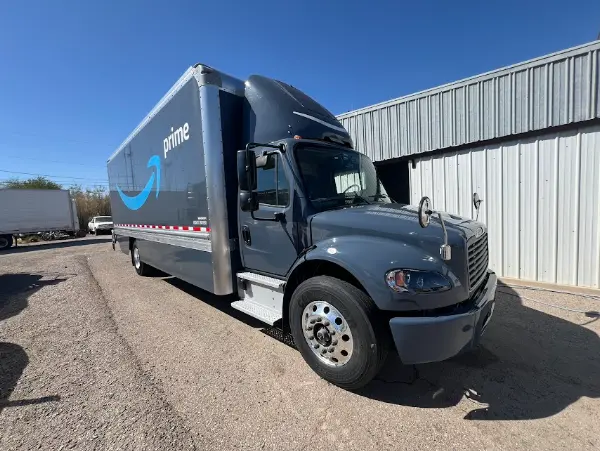
Box Trucks: Box trucks use a separate cargo box mounted to a truck chassis. That box is a distinct structure, which is what makes them adaptable. They fall into the medium and heavy duty classes.
That structural difference matters more than most buyers realize. A van is what it is when you buy it. A box truck is a platform you can build on.
Matching the Vehicle to Your Daily Work
Start by looking honestly at what your crews do every day.
Where Cargo Vans Earn Their Keep
Vans work well for operations moving smaller items over shorter routes. Think parcel delivery in dense neighborhoods, mobile service calls with hand tools and parts, or courier work where speed between stops matters more than volume per stop.
Their size becomes a real advantage in cities. Tight alleys, low parking structures, and street parking all favor a van.
Where Box Trucks Pull Ahead
Box trucks suit operations hauling larger items, heavier loads, or higher volume per trip. Furniture delivery, appliance transport, equipment moves, and route distribution all lean toward a box.
The enclosed cargo area also gives you a working space, not just storage. Shelving, racking, tie-down systems, and liftgates all install into a box far more readily than into a van.
Thinking Past Your Current Needs
This is where most fleet decisions go sideways. Buyers solve for today and inherit a problem later.
Ask yourself a few honest questions about the next three to five years:
- Will your average load size grow as you take on bigger clients?
- Are you planning services that need more equipment on board?
- Will your service area expand past dense urban routes?
- Might you need specialized equipment mounted to the vehicle?
If several answers point toward growth, a vehicle sized for today’s work becomes a constraint sooner than you would like.
Upfitting Potential and Long-Term Flexibility
Here is a factor that rarely makes it into the comparison, and it should.
Box trucks accept modifications in ways cargo vans do not. The separate box structure means you can add liftgates, install shelving, mount equipment, and reconfigure the interior as your operation changes. Fabrication work handled under one roof lets you build a box truck around a specific workflow, then rework it when that workflow shifts.
Cargo vans accept some modification, mostly interior shelving and partitions. But the unified body limits structural changes. What you buy is largely what you keep.
For a business still taking shape, that flexibility matters. A box truck can grow with you.
Driver Requirements and Staffing Considerations
Vehicle choice affects who can drive for you, which affects hiring.
Licensing Factors: Cargo vans require only a standard driver’s license, so anyone on your team can operate one. That keeps hiring flexible and lets you fill routes quickly.
Box trucks vary. Lighter models operate under a standard license, while heavier ones require a commercial license. That narrows your hiring pool and shapes how you staff routes.
Training and Comfort: Vans feel familiar to most drivers right away. Box trucks take some adjustment around clearance, turning, and backing. If you rotate drivers frequently or run seasonal help, factor in that learning curve.
Loading and Unloading Realities
How cargo moves in and out shapes your workday more than most buyers expect.
Van Loading: Vans load through rear and side doors at roughly waist height, which suits hand-carried items. Heavier items get awkward fast, since there is no ramp or lift and the low ceiling limits positioning.
Box Truck Loading: Box trucks pair naturally with loading docks, ramps, and liftgates. Add a liftgate, and a single driver can handle heavy items without help. The taller interior lets crews stand upright while working, which matters over a full shift.
Fleet Consistency as You Scale
Running one vehicle is straightforward. Running several introduces new considerations.
Standardizing on one vehicle type simplifies almost everything. Drivers move between units without retraining, configurations stay uniform, and equipment carries over.
Mixed fleets complicate this. Some drivers can only take certain vehicles, and routing gets harder because not every vehicle handles every job.
If growth is in your plan, choosing a vehicle type you can standardize on pays off as the fleet expands. Arizona Byways Inc works with fleet operators managing this kind of scaling.
Signs You Are Outgrowing a Cargo Van
Some operations start with vans and reach a point where the fit breaks down. Watch for these signals:
- Crews make return trips because loads exceed capacity
- Heavy items require two people to load safely
- You turn down work because the vehicle is not built to handle
- The equipment you need has nowhere to mount
None of these mean a van was the wrong call originally. The business simply moved past what a van does well. Once you move into the larger classes, repairs change too, and medium and heavy duty collision work calls for a shop equipped for that size.
Weighing Your Decision
Bring it together with a clear-eyed look at your operation.
A cargo van likely fits when:
- Loads stay light and compact
- Routes run through dense urban areas
- Hiring flexibility matters more than capacity
- Parking and maneuverability drive daily productivity
A box truck likely fits when:
- Loads are heavy, bulky, or high volume
- You need liftgates or mounted equipment
- Growth will increase what you carry
- Long-term flexibility outweighs simplicity
Most operations find that one column clearly outweighs the other once they answer honestly.
Planning Your Next Fleet Addition
Whichever direction your answers point, plan the purchase around where your business is going.
Talk to the people driving your current vehicles. They know what slows them down and what they wish they had. Their input surfaces problems a spec sheet never will.
If your planning points toward box trucks, treat upfitting as part of the purchase rather than an afterthought. Shelving, liftgates, and equipment mounts work better when designed into the build than bolted on later.
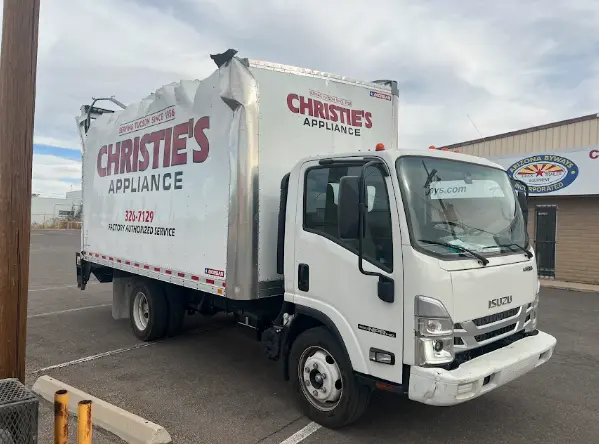
Arizona Byways Inc serves fleet operators throughout the Tucson area and markets south of Casa Grande, covering upfitting, fabrication, and collision repair on Class 3-9 commercial vehicles. To talk through what your operation needs, reach out to our team.
Frequently Asked Questions
Can I start with a cargo van and move to box trucks as we grow?
Many businesses take exactly this path, and it works fine. Starting with a van keeps things simple while your operation finds its footing. What matters is watching for signals that you have outgrown it, like repeated return trips or turning down jobs. Planning the transition before it becomes urgent gives you room to spec the right box truck and get it upfitted properly.
Do box trucks always require a commercial driver’s license?
Not always. Requirements depend on how the vehicle is rated, and lighter box trucks can be operated under a standard license. Heavier models cross into commercial license territory. Because thresholds vary and rules can change, confirm current requirements for the vehicle you are considering. This shapes who you can hire and how you staff routes.
Which option handles equipment mounting better?
Box trucks accommodate mounted equipment far more readily. The separate cargo box gives you structure to work with for liftgates, racking, and specialized mounts. Cargo vans allow interior shelving and partitions, but the unified body limits what you can attach structurally. If your work involves equipment that lives on the vehicle, that difference usually decides the question on its own.
How far ahead should I plan when choosing a commercial vehicle?
Think in terms of three to five years rather than immediate needs. Consider whether your loads will grow, whether your service area will expand, and whether you will add services requiring more equipment. Buying strictly for today often means replacing the vehicle sooner than planned, which costs more disruption than buying somewhat ahead of current needs.