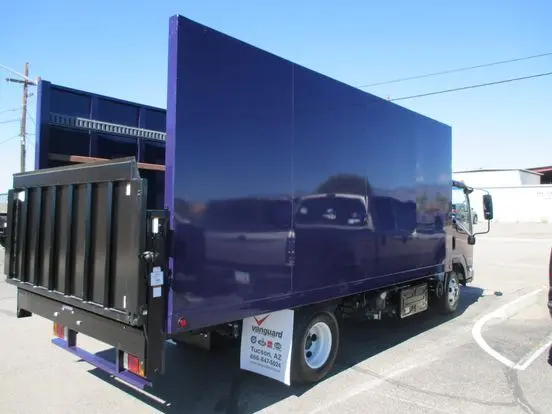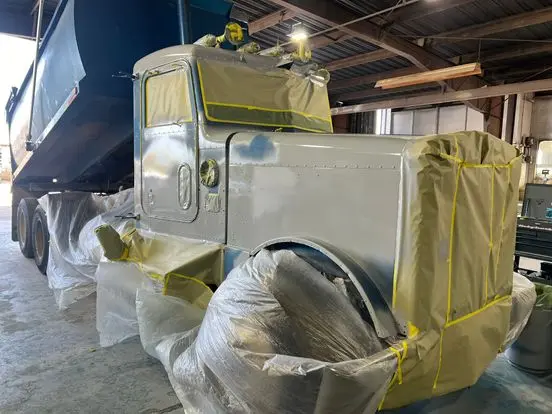
When you’re planning a custom truck build or fleet customization project, the shop you choose matters as much as the work itself. One factor that often gets overlooked is whether the shop handles fabrication in-house or sends that work to outside vendors. Understanding this difference helps you ask better questions and choose fleet upfitting services that match your project needs.
The structure of how a shop operates affects communication, project control, and how your build comes together. Neither approach is automatically right or wrong, but knowing the tradeoffs helps you decide.
Understanding the Two Approaches
Before weighing advantages, here’s what these two models actually mean for your project.
- In-House Fabrication: A shop with in-house fabrication does the metalwork, welding, and custom building under their own roof. The same team that takes your order handles the actual construction. Everything happens in one location, controlled by one organization.
- Outsourced Fabrication: A shop that outsources takes your order but sends the fabrication work to a separate company. They coordinate between you and the fabricator, acting as a middle layer. The shop you talk to isn’t always the one building your equipment.
Both models exist in the upfitting industry, and both can produce good results. The difference shows up in how projects flow from concept to completion. When you start comparing fleet upfitting services, knowing which model a shop uses helps you understand how your project will be managed.
Communication and Project Coordination
How information moves through a project affects the final outcome.
Direct Communication with In-House Shops
When fabrication happens in-house, you talk directly with the people who understand the build. Questions get answered by those doing the actual work. If you need to clarify a detail or make an adjustment, the conversation happens with the team handling your project. This direct line reduces the chance of details getting lost.
Coordination Layers with Outsourcing
Outsourced arrangements add a coordination layer. Your requirements pass from the shop to the fabricator, and questions travel back and forth through the middle party. This isn’t necessarily problematic, but it adds steps where details need to transfer accurately.
Project Control and Flexibility
Custom work sometimes requires adjustments along the way. How a shop handles changes depends on its structure.
Mid-Project Adjustments
With in-house fabrication, making changes during a build is more direct. If you realize you need a compartment configured differently or want to adjust a mounting point, the team can often accommodate the change because they control the work. This flexibility matters for custom projects where you might refine requirements as the build progresses.
Managing Changes Through Outsourcing
When fabrication is outsourced, changes require coordination with the external fabricator. The shop has to communicate your adjustment, confirm the fabricator can accommodate it, and manage the revised work. Capable shops handle this, but the process involves more steps.
Quality Control and Accountability
Who answers for the finished product matters when you’re investing in custom equipment.
Single Point of Accountability
In-house fabrication means one organization owns the entire result. If something needs correction, there’s no question about who handles it. The shop that built it stands directly behind it. This clear accountability simplifies your relationship with the vendor, giving you one point of contact from initial concept through any follow-up work.
Shared Responsibility in Outsourced Models
Outsourced arrangements can involve shared responsibility between the shop and the fabricator. When quality questions arise, resolving them may require coordination between the two parties. Good shops take ownership of outsourced work, so understand upfront how a shop handles quality issues and warranty concerns.
Consistency Across Fleet Projects
For fleet operators building multiple vehicles, consistency matters significantly.
Standardization with In-House Work
When one team handles all your fleet builds, maintaining consistency across vehicles becomes more manageable. A shop like Arizona Byways Inc that builds in-house, uses the same people and processes for each unit. This helps when you need multiple trucks configured identically, and drivers move between trucks knowing the layout.
Consistency Considerations with Outsourcing
Outsourced fabrication can maintain consistency, but it requires the shop to manage its fabricator carefully. If a shop uses different fabricators for different projects, variations can creep in. Ask how a shop ensures consistency across multiple builds.
What This Means for Your Project
The right choice depends on your specific situation and priorities.
When in-house capability offers advantages:
- Complex custom builds requiring detailed coordination
- Projects where you anticipate mid-build adjustments
- Fleet standardization across multiple vehicles
- Builds where direct communication with fabricators matters
- Situations where single-point accountability simplifies management
Situations where either model can work:
- Standard configurations with established specifications
- Simple installations with minimal customization
Match the shop’s capabilities to what your project actually requires.
Questions to Ask Any Upfitting Vendor
Whether a shop handles fabrication in-house or outsources, asking the right questions helps you evaluate them.
About Their Capabilities
- Do you fabricate in-house or work with outside vendors?
- Who will I communicate with during the project?
- How do you handle changes once a build is underway?
- Who is responsible if something needs correction?
- How do you ensure consistency across multiple vehicles?
About the Build Process
- Can I see examples of similar work you’ve done?
- How do you handle custom requirements?
- What happens if I need adjustments during the build?
- How do you manage quality control?
- What is your process for addressing issues after completion?
Detailed answers reveal how a shop operates and whether its approach fits your needs.
The Value of Fabrication Expertise
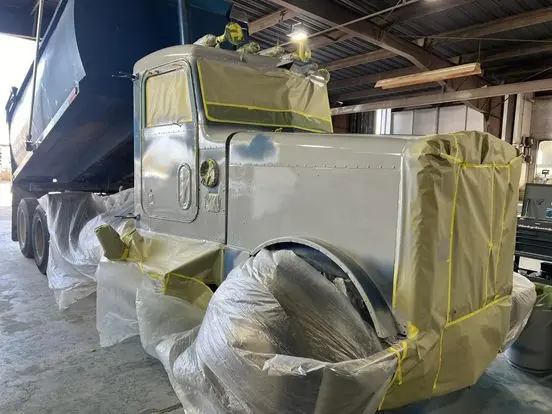
Apart from the in-house versus outsourced question, fabrication expertise itself matters. Shops with genuine fabrication capabilities understand commercial vehicle construction and know how to build equipment that handles the demands your trucks face. The same expertise applies when fabrication supports collision repair on medium and heavy-duty trucks.
When evaluating shop options, look for demonstrated experience with commercial vehicles similar to yours. The combination of fabrication capability and commercial vehicle knowledge produces better results than either alone.
Matching Shop Selection to Project Scope
Your project scope should guide how much shop structure matters.
For significant fleet customization, multiple vehicle builds, or highly custom work, the advantages of in-house fabrication become more pronounced. The coordination, control, and accountability benefits matter more as project complexity increases.
For straightforward installations of standard equipment, the in-house versus outsourced distinction matters less. Many shops handle standard work well regardless of their fabrication model. Consider where your project falls on this spectrum when weighing shop options.
Working with Arizona Byways Inc
For fleet operators in Southern Arizona, understanding shop capabilities helps you choose the right partner for custom work.
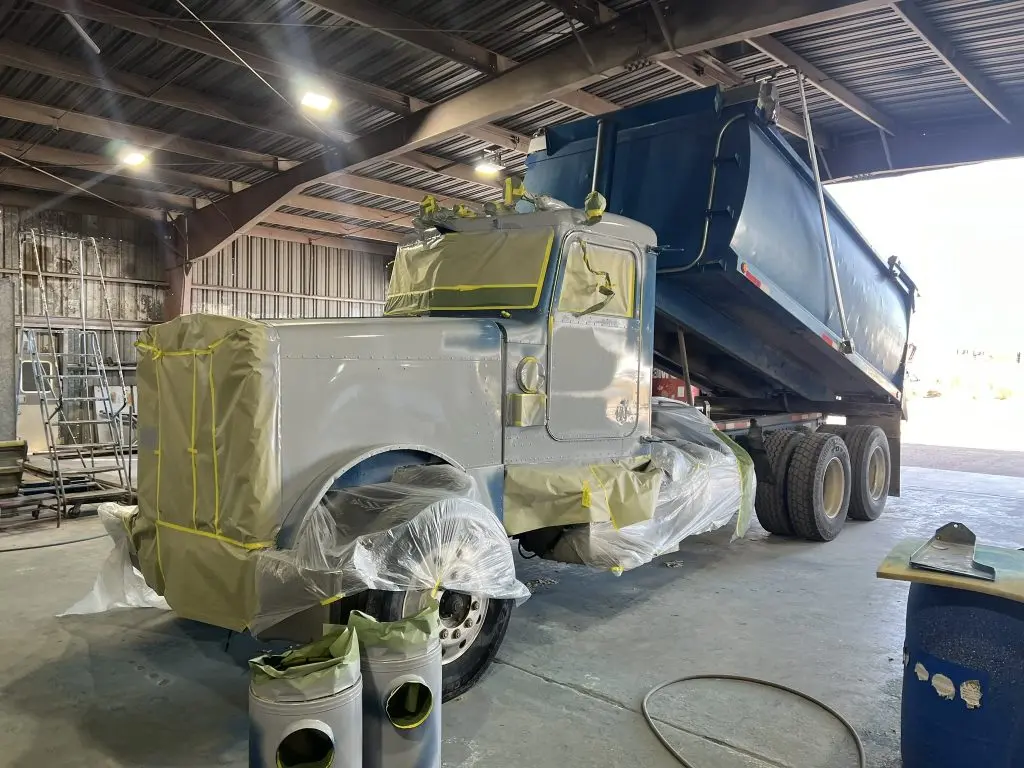
Arizona Byways Inc operates a full in-house fabrication shop, handling custom builds, service body installation, and equipment fabrication under one roof. This means direct communication with the team building your equipment and single-point accountability for your project.
Whether you’re planning custom builds for new trucks or modifying existing vehicles, working with a shop that controls the entire fabrication process offers advantages for complex fleet projects. To discuss your upfitting needs, contact us, and we can talk through what your project requires.
Frequently Asked Questions
How can I tell if a shop fabricates in-house or outsources?
Ask directly. A straightforward question about whether they handle fabrication on-site or work with outside vendors gets you the answer. You can also ask to see their facility. Shops with in-house capabilities typically have welding equipment, fabrication tools, and workspace visible during a shop visit. A shop confident in its capabilities will welcome questions about how they operate.
Does the fabrication model affect the value I get?
The structure of how a shop operates doesn’t automatically determine the value of your project. Various factors affect what custom work involves, including complexity, materials, and specific requirements. Rather than assuming one model is better, focus on the value each shop provides for your project. Ask shops to explain what their process includes and how they handle your particular requirements.
Is outsourced fabrication always lower quality?
No. Outsourced fabrication can produce excellent results when the shop manages its fabricators well and maintains quality standards. Many capable shops use trusted fabrication partners successfully. The model itself doesn’t determine quality. What matters is the shop’s commitment to quality control, their relationship with fabricators, and how they handle accountability. Evaluate any shop based on its actual work and processes rather than assuming the fabrication model alone predicts the outcome.
What questions matter most when choosing an upfitting shop?
Focus on communication, accountability, and demonstrated capability. Ask who you’ll communicate with, how they handle changes during the build, and who takes responsibility if corrections are needed. Request examples of similar work to verify their experience with vehicles like yours. These questions reveal how a shop operates and whether their approach fits your project, regardless of whether they fabricate in-house or outsource.