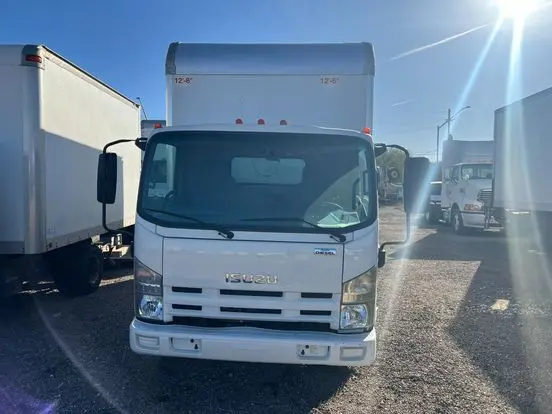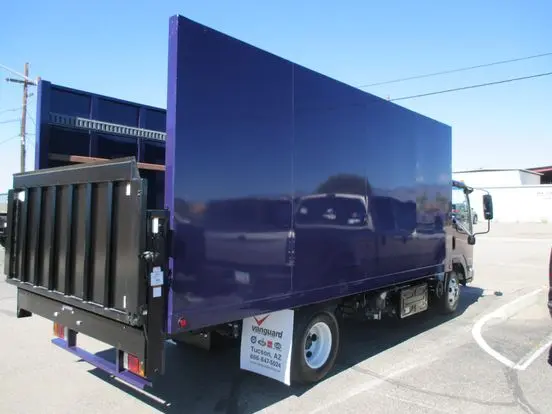
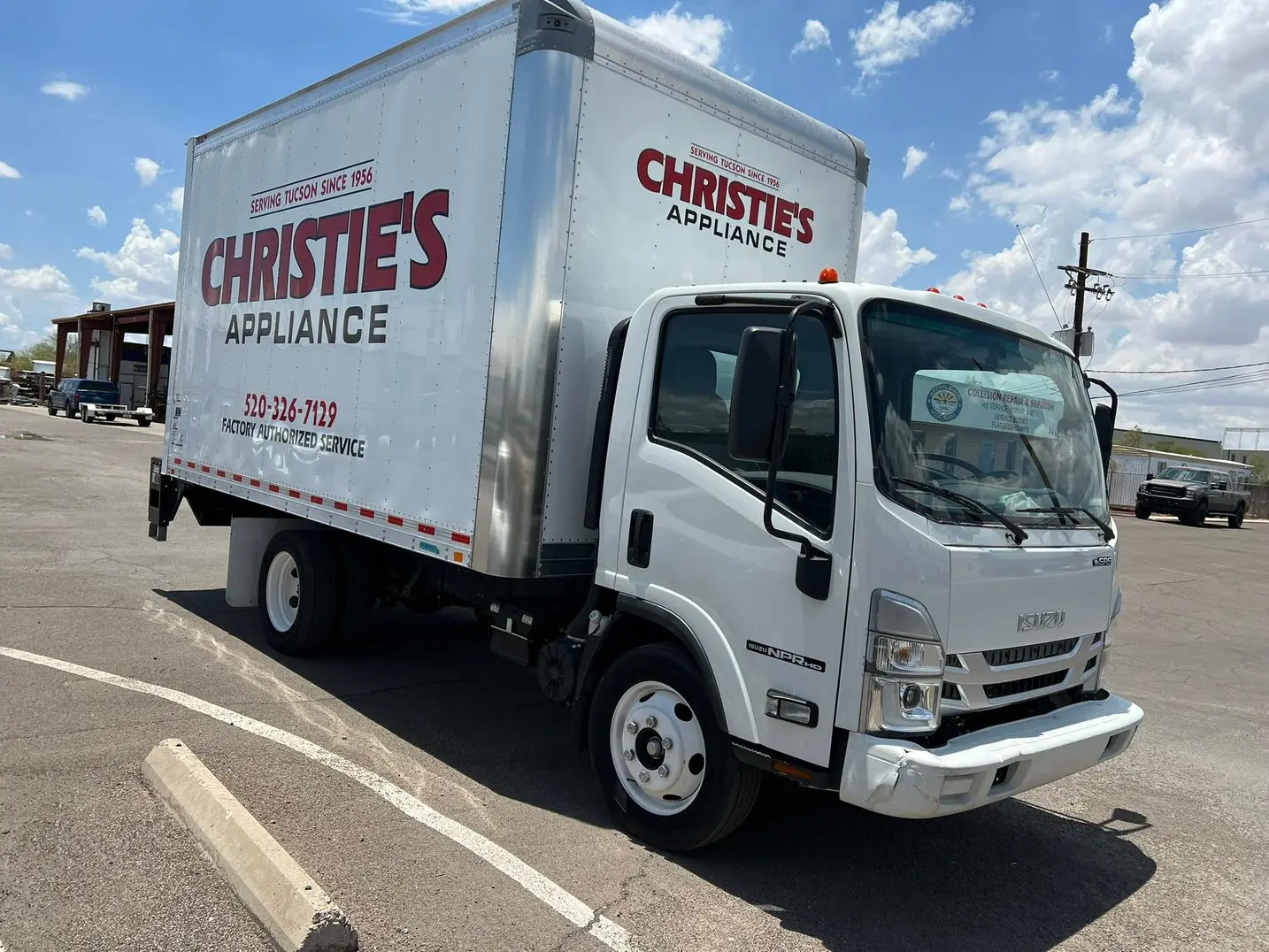
Plenty of business owners walk into their first commercial vehicle upfitting project with the wrong idea in their head. Not because they are careless, but because the process is easy to misunderstand until you have been through it. The result is trucks that do not fit the work, budgets spent on the wrong things, and crews stuck with setups that slow them down.
Most of these mistakes are avoidable once you recognize the warning signs. This is not about pointing fingers. It is about the handful of beliefs that trip people up again and again, and what experience teaches instead. Let us walk through the myths that cause the most trouble.
Myth 1: The Lowest-Price Option Saves You Money
This is the big one, and it is understandable. When you are outfitting a truck, the lower number looks like the smart choice. But the lowest-price build often turns into the most expensive one over time.
Here is what actually happens. A bargain setup uses thinner materials, weaker mounting, and generic configurations that do not match how your crews work. Then the compartments wear out, the mounts fail, and the layout fights your team every day. You end up repairing, replacing, or redoing work that should have been done right the first time.
Value is not the same as price. A well-built setup that fits your operation and holds up under daily use serves you far longer than a cut-rate version. This is exactly why Arizona Byways Inc builds around durability and fit. When you weigh options, look at durability, fit, and how well the build matches your actual work, not just the number at the bottom.
Myth 2: DIY Upfitting Is Good Enough
Some owners figure they can save by handling the build themselves or having a handy employee do it. For simple additions, that can work. For a real upfit, it usually does not.
Commercial vehicle work involves more than bolting on a box. Proper mounting, structural considerations, load distribution, and durable fabrication all matter. A setup that seems fine in the parking lot can fail under a full load or come loose on rough roads. That is a safety issue, not just an inconvenience.
Professional fabrication brings knowledge that is hard to replicate. A shop that handles commercial vehicle upfitting regularly understands how to build equipment that survives the demands of real work. The gap between a homemade setup and a professional build shows up fast once the truck goes to work.
Myth 3: One Setup Fits Every Trade
Another common error is assuming an upfit is generic. A truck is a truck, the thinking goes, so any standard configuration will do. In practice, how a plumber uses a truck is nothing like how an electrician or a landscaper uses one.
Each trade carries different tools, materials, and equipment, and each has its own workflow. A configuration built for one type of work can be a daily frustration for another. Compartments in the wrong places, storage sized for the wrong items, and access that does not match the workflow all cost time on every job.
The fix is matching the build to your specific work:
- Consider what your crews carry most often
- Think about which items need to be reached fastest
- Account for how your team moves through their day
- Plan for the equipment that lives on the truck full time
A setup designed around your operation pays off in daily efficiency. A generic one is just a truck with boxes on it.
Myth 4: Upfitting Is Only About Storage
Many owners think of an upfit as adding storage and nothing more. Storage matters, but a good build does far more than hold tools.
The right upfit shapes how much your crews get done in a day, how well your equipment is protected, and how professional your trucks look at customer sites. It can include mounting for specialized equipment, work surfaces, and configurations that turn a truck into a mobile workspace rather than a rolling toolbox.
Thinking of upfitting as only storage means you miss chances to make the vehicle genuinely useful. The best builds consider the whole way a crew uses the truck, not just where the tools go.
Myth 5: You Can Skip the Planning Stage
Excited owners sometimes want to rush straight to the build. Skipping the planning stage is one of the surest ways to end up disappointed.
Good upfitting starts with understanding the work. What does the crew do? What do they carry? Where do bottlenecks happen now? Without answering these questions first, you are guessing, and guesses lead to setups that miss the mark.
Planning also surfaces details that are easy to overlook. Load balance, access needs, and how the configuration affects the vehicle all deserve thought before fabrication begins. An experienced fabrication shop can walk through these questions with you, but the planning conversation has to happen. Rushing past it almost always costs more in the end.
Myth 6: All Upfitting Shops Are the Same
Owners sometimes view upfitting as a commodity, assuming any shop delivers roughly the same result. Shops differ significantly in capability, experience, and how they approach the work.
A shop with genuine fabrication capability can build and modify to fit your exact needs. One that only installs off-the-shelf components is limited to what already exists. A shop experienced with commercial vehicles understands the demands your trucks face in a way a general shop may not.
When choosing where to have your upfit done, consider the shop’s fabrication capability, their experience with commercial vehicles like yours, and whether they handle the work in-house. Reading up on a shop’s history and background helps you gauge whether its experience matches your needs.
Getting Commercial Vehicle Upfitting Right
Avoiding these myths comes down to a few principles experienced fleet operators learn over time.
Focus on value and fit rather than the lowest number. Match the build to your specific trade and workflow instead of settling for generic. View the upfit as a tool that shapes productivity, not just storage. Plan before you build, and choose a shop with the capability to do the work right.
A thoughtful approach to commercial vehicle upfitting turns your trucks into assets that support the work instead of getting in its way. The upfront care saves you the frustration and expense of redoing a build that missed the mark.
Planning Your Next Upfit the Right Way
If you are preparing for an upfitting project, start by looking hard at how your crews work. Talk to the people who use the trucks every day. They know where current setups fall short and what would genuinely help.
Then bring that understanding to a shop set up to deliver on it. Arizona Byways Inc runs its own fabrication shop in the Tucson area and builds custom configurations for commercial trucks. Whether you are outfitting a new vehicle or rethinking one you already own, reach out to the team to discuss what would work best for your fleet.
Frequently Asked Questions
What is commercial vehicle upfitting?
Commercial vehicle upfitting is the process of modifying a work truck to fit a specific business use. This can include installing service bodies, adding storage compartments, mounting equipment, fabricating custom components, and configuring the vehicle around how a crew works. The goal is turning a standard truck into one built for the demands of a particular trade or operation, so the vehicle supports the work rather than getting in the way.
Is professional upfitting worth it compared to doing it myself?
For simple additions, a do-it-yourself approach can work. For a real upfit involving structural mounting, load distribution, and durable fabrication, professional work usually holds up far better. A setup that looks fine at first can fail under a full load or on rough roads, which becomes a safety concern. Professional fabrication brings knowledge and capability that are difficult to replicate, and the difference shows once the truck goes to work.
How do I know what upfit configuration my business needs?
Start by studying how your crews actually work. Consider what they carry most often, which items they need to reach fastest, and where their current setup slows them down. Different trades have very different needs, so a configuration built for one type of work often does not suit another. Talking through these details with an experienced upfitting shop helps translate your daily workflow into a build that fits your operation.
What should I look for when choosing an upfitting shop?
Look at the shop’s fabrication capability, their track record with commercial trucks like the ones you run, and whether they handle the work in-house or send it elsewhere. A shop with genuine fabrication ability can build and modify to fit your exact needs, while one limited to off-the-shelf parts can only work with what already exists. Hands-on commercial truck experience also means the shop understands the demands your vehicles face day-to-day.